Red tide is a global marine ecological disaster, and its frequency, intensity, and geographic extent have increased worldwide in recent years. Currently, the main remediation technology employed for red tides control on a large scale is to spray m...
11 01, 2022
Serpentinite dehydration is essential for water recycling in subduction zones, the released fluids are considered to be a critical component in the oxidation of the sub-arc mantle.
10 21, 2022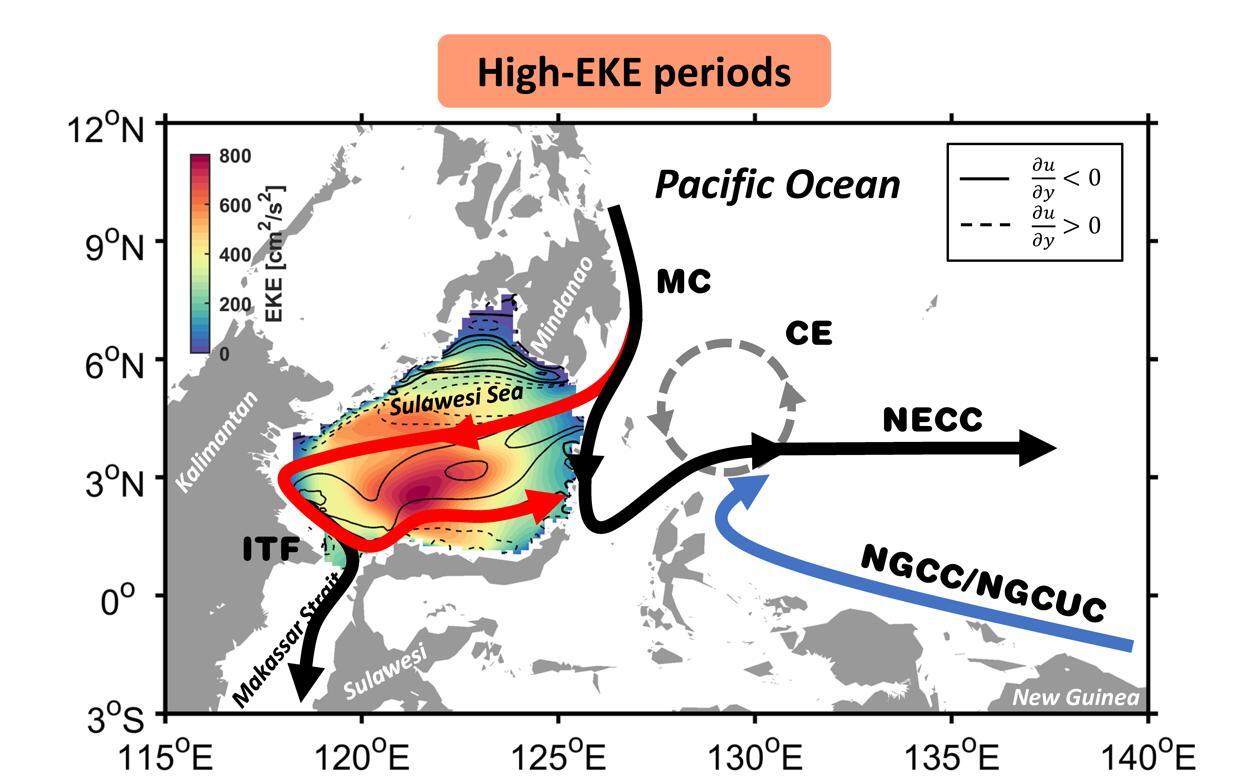
Mesoscale eddies are essential for the distribution of thermohaline and biochemical properties, and act as a bridge for the energy cascade between large-scale circulation and submesoscale dynamical processes.
10 18, 2022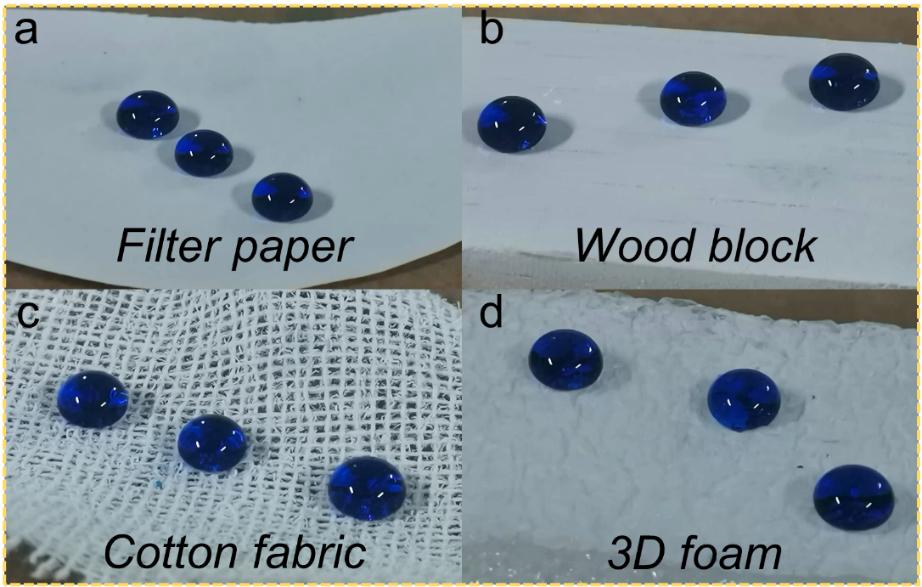
Lotus-inspired superhydrophobicity attracts the interest of researchers due to their interfacial non-wetting and unique multi-phase contact properties. However, fragile hierarchical structures, fluorine-containing chemicals usage, and strict requi...
10 18, 2022
Cultivation of marine diatoms in the laboratory is under constant light condition, but the light environment in the field is not constant but mainly fluctuating, which leads to significant differences between the growth in indoor culture and that ...
10 14, 2022